
Leadership capability plays a key role in whether employees feel their workplace is safe and respectful. While policies and systems provide the framework, it is often the everyday actions of leaders that influence how employees experience the workplace environment.
This explains why employees often express views on management or leadership capability when describing their psychosocial safety.
This means having leaders with the right capabilities can help your psychosocial safety performance.
Start with the basics: psychosocial hazards and what leaders need to know
A good starting point is making sure leaders are clear on the basics: what psychosocial hazards are, what their responsibilities are, and what to do when something doesn’t feel right. Most organisations have the right intent—where things often get stuck is consistency. Leaders need shared language, simple pathways for escalation, and the confidence to step in early.
Other capabilities may require specialised training or coaching, or guidance from senior leadership on what is expected of leaders and managers.
Key leadership capabilities
- Hazard awareness
- Can explain the most common psychosocial hazards and spot early warning signs in their team.
- Understands the difference between an individual performance issue and a broader risk created by how work is set up (workload, role clarity, resourcing, change, etc.).
- Role clarity and responsibilities
- Understands their part in preventing psychological harm and creating a safe, respectful workplace.
- Knows the “what now?” steps—how to respond to a complaint or hazard, what procedures to follow, how and when to escalate (e.g., HR, WHS, senior leaders).
- Risk radar (spotting issues early)
- Keeps an eye on workload, competing priorities, role clarity, resourcing, and change.
- Notices patterns—more conflict, more complaints, people switching off, higher turnover, or stress levels creeping up.
- Early and appropriate response
- Can have the (sometimes tricky) conversations about workload, behaviour, and team dynamics.
- Acts early, keeps good notes, and gets support when needed.
- Readiness to implement practical controls
- Adjusts work allocation, clarifies expectations, and removes unnecessary friction where they can.
- Builds in consultation, checks what support people need, and follows through on what’s been agreed.
- Make it visible: modelling behaviour
- Culture is experienced through behaviour, particularly of leaders
- Showing through behaviour that safety is important and valued is crucial
- Fairness, consistency and willingness to follow through build trust
- Trust is a big part of making a workplace feel psychologically safe.
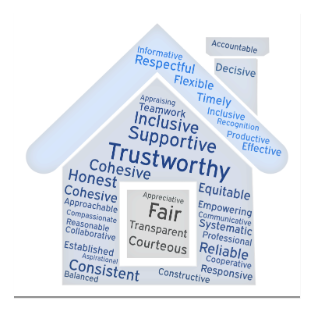
These could form the basis for a gap analysis to identify where you need to train or manage your leaders to improve psychosocial safety. Or ask your leadership team – Based on employees’ day-to-day experiences, what’s one thing leaders are doing well right now to support psychosocial safety—and one small change that would make the biggest difference this month?
Christa Ludlow is a highly qualified and experienced lawyer, investigator, mediator and coach with leadership experience. Formerly Assistant Crown Solicitor, Employment Law in the NSW Government and part time Senior Member with the Civil and Administrative Tribunal, she brings a wealth of knowledge and practice in conciliation, case management and procedural fairness. She specialises in complex investigations including serious misconduct, bullying, sexual harassment, and local government matters.